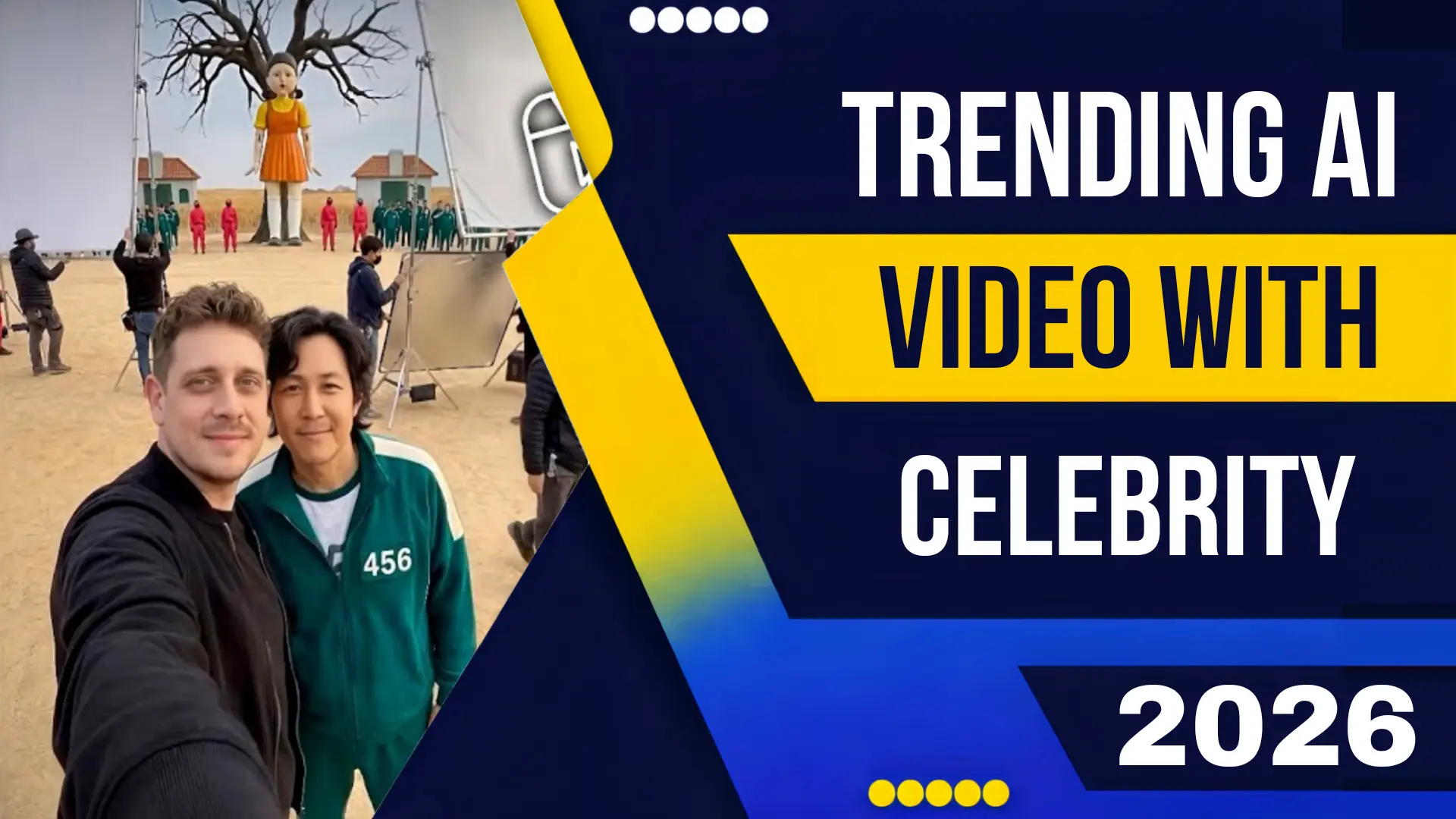
Photo Editing with Celebrities Ai Prompts in 2026
The landscape of digital imagery has undergone another seismic shift. As we navigate through 2026, the line between reality and digital fabrication is not just blurred it’s been completely reimagined by artificial intelligence. While the last few years focused on generating images from scratch, the new frontier is about sophisticated manipulation and personalization. Leading this charge is the explosive trend of Photo Editing with Celebrities Ai Prompts 2026.
This isn’t about simply cutting and pasting a celebrity’s face onto your body anymore. The technology of 2026 allows for nuanced, hyper-realistic integration where users can place themselves or their subjects into iconic scenes, swap styles with their favorite stars, or generate entirely new, photorealistic scenarios featuring A-list talent. Whether you are a social media manager, a creative director, or a casual user looking for a viral moment, understanding how to leverage these prompts is the most valuable skill in digital content creation this year.
In this article, we will dive deep into the mechanics, applications, and ethical considerations of this trend, providing you with the knowledge to stay ahead of the curve.
The Evolution: From Generative Fill to Celebrity Synthesis
To understand the power of Photo Editing with Celebrities Ai Prompts 2026, we must first acknowledge the technology that powers it. The AI models of 2026 are no longer the rudimentary generators of the early 2020s. They are multi-modal systems trained on vast, nuanced datasets that understand lighting, texture, anatomical structure, and even the distinct micro-expressions of specific celebrities.
Earlier tools required extensive prompt engineering to get a half-decent result. Today, platforms like Adobe Firefly 4.0, Midjourney v7, and custom-built celebrity collaboration apps allow users to simply upload a base image and use natural language to modify it. For example, a prompt like, “Transform this portrait to have the golden-hour lighting and relaxed style of a Zendaya photoshoot, 2024,” yields a result that doesn’t just copy Zendaya but applies her aesthetic signature to your original photo.
Why “Celebrity AI Prompts” Are Dominating 2026
The virality of AI-generated celebrity content is undeniable. We are in an era of “digital identity play,” where users are eager to see themselves in the context of fame and glamour. Here is why this specific niche of photo editing has exploded this year:
-
Hyper-Personalized Content: Brands are moving away from generic stock photos. They want images that feature relatable faces (sometimes the customer’s own) in aspirational settings. By using Photo Editing with Celebrities Ai Prompts 2026, marketers can create campaigns that feature a local influencer “hanging out” with a global superstar, bridging the gap between aspiration and reality.
-
Nostalgia Marketing: The AI models of 2026 are exceptionally good at recreating celebrities from past eras. Want a photo of yourself at Studio 54 with a young Grace Jones? Or a black-and-white candid with James Dean? Current AI tools can replicate the film grain, lighting, and aesthetic of those periods with frightening accuracy.
-
Fantasy Fulfillment: On a consumer level, people love it. From creating movie posters where they are the star alongside Tom Holland or Zendaya to generating wedding photos with their favorite singer performing in the background, the technology fuels creativity and shareability.
How to Master Photo Editing with Celebrities Ai Prompts in 2026
Success in this field relies on the quality of your prompts. Here is a guide to crafting high-quality celebrity AI edits that look professional rather than cheap.
1. The Anatomy of a Perfect Prompt
Generic prompts yield generic results. A prompt for Photo Editing with Celebrities Ai Prompts 2026 must be specific. Instead of “Me and Taylor Swift,” try:
*”Photorealistic image of a 30-year-old male and Taylor Swift backstage at the Eras Tour, 2026. Taylor is laughing, holding a vintage microphone. The subject is wearing a casual hoodie. Lighting is stage backlight with haze, shallow depth of field, shot on Canon EOS R3, 50mm lens.”*
The inclusion of camera specs, lighting conditions, and emotional context tells the AI exactly how to blend the subjects seamlessly.
2. Leveraging Style Transfer
The best tools now offer “Style Transfer” from specific photographers or eras. If you are editing a photo of a friend to look like a classic Hollywood star, you can prompt the AI to apply the “George Hurrell lighting style” the signature look of 1930s and 40s glamour photography. This elevates the edit from a simple face swap to a piece of art.
3. The “Consistency” Feature
One of the biggest hurdles in 2025 was maintaining a character’s likeness across multiple images. In 2026, most platforms have a “Consistency” or “Reference Character” mode. When working on a project involving Photo Editing with Celebrities Ai Prompts 2026, you can upload several reference images of the celebrity (or yourself) and lock that identity. The AI then ensures that the bone structure, skin tone, and specific facial features remain identical across dozens of different edited photos, regardless of the angle or expression.
Practical Applications: Beyond the Selfie
While creating fun selfies is the entry point, professionals are using Photo Editing with Celebrities Ai Prompts 2026 to revolutionize industries:
-
Fashion E-commerce: Brands can now digitally “place” their clothing on AI-generated models that resemble specific celebrity body types or even use licensed celebrity likenesses to showcase outfits without a physical photoshoot.
-
Film Pre-Visualization: Directors are using these prompts to create storyboards. They can place A-list actors they hope to cast into scenes to visualize chemistry and framing before a single frame is shot.
-
Magazine Covers: Indie publications are creating stunning cover art by generating images of celebrities in avant-garde concepts that would be logistically impossible or too expensive to produce in a studio.
The Ethical Framework of 2026
With great power comes great responsibility. The conversation around Photo Editing with Celebrities Ai Prompts 2026 is heavily focused on ethics. In 2026, we have moved past the initial shock and into a phase of regulation and consent.
Major AI platforms now utilize “Likeness Rights Management” technology. If you attempt to generate an image of a celebrity in a compromising or commercial setting, the AI checks a global database of likeness rights. If the celebrity has opted out of AI training or if the context is flagged as potentially harmful (deepfake pornographic content, political misinformation), the prompt is blocked.
For ethical creators, the rule is simple: transparency. The Federal Trade Commission and similar bodies in other countries now require clear labeling of AI-generated or AI-edited content. If you post an image edited with Photo Editing with Celebrities Ai Prompts 2026, platforms like Instagram and TikTok will likely add a “Generated with AI” tag automatically if the metadata from the editing software is detected.
Getting Started: Tools of the Trade
If you are ready to dive into Photo Editing with Celebrities Ai Prompts 2026, here are the industry-standard tools you should look at:
-
Adobe Photoshop with Firefly 4: The industry standard has built-in generative AI that understands celebrities (with proper licensing) and allows for seamless blending of subjects.
-
Remini Studio Pro: Excellent for enhancing the quality of the generated face to match high-resolution standards, ensuring the celebrity’s face doesn’t look “soft” or AI-generated.
-
Picsart AI Suite: Popular for casual creators, offering one-click templates for “Meet Your Idol” style edits.
-
Midjourney V7 (Web App): Now fully web-based, it offers the highest artistic quality for creating conceptual celebrity art rather than realistic photo edits.
Conclusion
Photo Editing with Celebrities Ai Prompts 2026 is more than just a passing trend; it is a fundamental shift in visual culture. It democratizes access to high-end creative production, allowing anyone with a vision and a prompt to create imagery that rivals magazine editorials.
As we move forward, the key to success lies in balancing creativity with responsibility. By mastering the art of the prompt, understanding the lighting and context, and adhering to the ethical guidelines of consent and transparency, you can harness the full power of this technology.
Whether you are editing a photo for a global marketing campaign or just for a laugh with friends, the tools of 2026 offer a magic wand for the visual age. So, open your editor, craft your prompt, and step into the frame with the stars. The future of photography is no longer about capturing the moment it’s about creating it.